How to Source High Quality Turmeric Extract for Your Business?
Sourcing high quality Turmeric Extract is essential for any business looking to enhance its product offerings. Turmeric, a vibrant yellow spice, is gaining popularity for its health benefits. However, not all extracts are created equal. The quality can vastly impact effectiveness, leading businesses to seek reliable suppliers.
Identifying trusted sources requires research. It’s important to examine suppliers’ certifications and testing methods. High-quality Turmeric Extract should undergo rigorous testing for purity and potency. Consider visiting potential suppliers to understand their processes. Transparency is key in establishing reliable partnerships.
In the quest for quality, businesses may face challenges. Price should not be the only determining factor. Sometimes, lower-cost options compromise on quality. Reflecting on past sourcing decisions can provide valuable insights. By prioritizing quality over price, businesses can build a reputable brand and create lasting customer trust.
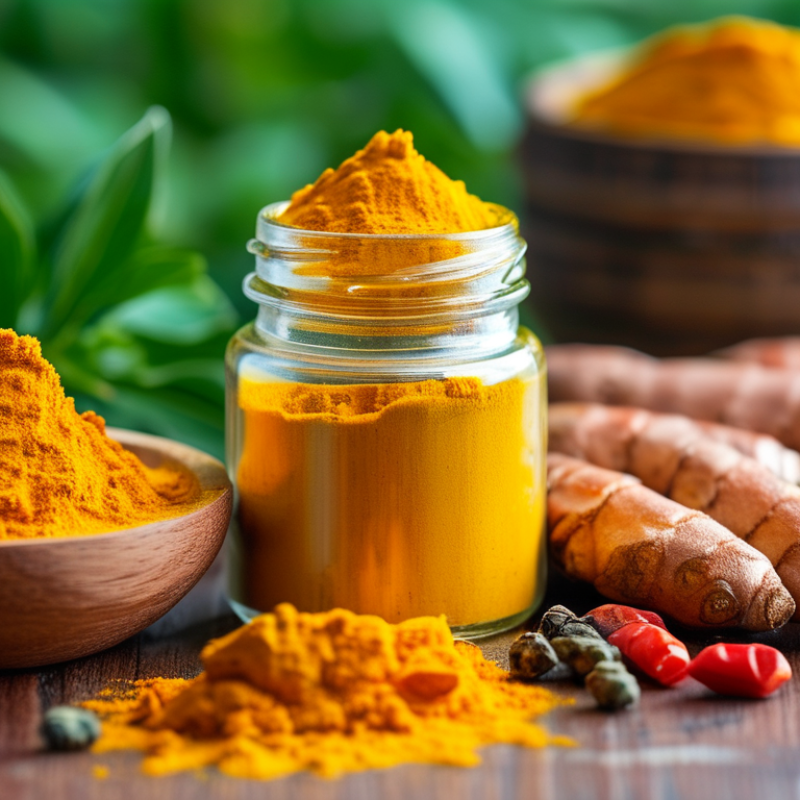
Identifying Reputable Suppliers for Turmeric Extract
When sourcing high-quality turmeric extract, identifying reputable suppliers is critical. Reliable suppliers often showcase transparency in their sourcing and manufacturing processes. According to a recent industry report, around 60% of turmeric products on the market do not meet established quality standards. This makes thorough supplier assessment vital.
Look for suppliers with certifications like GMP or ISO. These indicate adherence to quality management practices. Additionally, consider suppliers who perform third-party testing. This adds a layer of assurance regarding the extract's potency and purity. A study revealed that turmeric extracts with high curcumin levels can provide more health benefits. This highlights the importance of verifying curcumin content claims.
It's also beneficial to seek suppliers with a robust track record. Researching their backgrounds can reveal their experience level. Engaging with industry associations might provide insights into their reputation. Some suppliers might not readily share testing results, which can be a red flag. Building relationships with multiple suppliers can offer diverse options but may complicate consistency. Evaluate potential partners carefully to ensure they align with your business standards.
Evaluating the Quality Standards of Turmeric Products
When evaluating the quality standards of turmeric products, it is essential to consider several critical factors. The first is the source of the turmeric. High-quality turmeric often originates from regions known for their herbal cultivation, such as India. Look for certifications that guarantee organic farming practices. This ensures the product is free from harmful chemicals.
Another significant aspect is the extraction method. Different methods affect the potency of the active compounds, such as curcumin. Cold extraction is a preferred technique, as it preserves these beneficial properties. Beware of overly processed extracts, as they may lose efficacy.
Tips: Verify the turmeric's curcumin content. Aim for extracts with at least 95% curcumin for maximum health benefits. Always ask for lab testing results to confirm purity.
Transparency from suppliers is crucial. A reputable supplier should provide information about their production process, quality checks, and sourcing details. If the information seems vague or unclear, it may be a red flag. Trustworthy suppliers will welcome questions about their products.
Finally, consider customer reviews. Authentic feedback can provide insights into quality and effectiveness. Look for consistent praise regarding the health benefits and potency of the turmeric extract. Such reviews can guide you away from subpar products.
Understanding Different Types of Turmeric Extracts Available
Turmeric extract is increasingly popular due to its health benefits. Different types of turmeric extracts are available, each offering unique qualities. The primary compounds in turmeric, known as curcuminoids, have gained significant attention. They possess strong antioxidant properties, making them desirable in supplements and health products.
There are several formulations of turmeric extract on the market. Standardized extracts typically contain 95% curcuminoids. This high concentration is often used in clinical studies. Another common form is curcumin oil, which allows for better absorption in the body. Research indicates that liposomal curcumin can increase bioavailability significantly, making it preferable for certain applications.
However, not all products are created equal. Sourcing high-quality turmeric extract requires diligence. Lack of regulation may lead to inconsistencies in product quality. A report from Grand View Research notes that the turmeric market is projected to grow significantly, reaching $3.5 billion by 2027. As demand increases, so does the risk of low-quality products entering the market. Reliable suppliers focus on transparency and quality control. Understanding these nuances in turmeric extracts is crucial for making informed business decisions.
Conducting Supplier Audits and Quality Checks
Sourcing high-quality turmeric extract begins with thorough supplier audits. Audits play a crucial role in evaluating a supplier's production processes. They allow businesses to identify potential quality issues early. In a recent industry report, 30% of suppliers were found to have inconsistent quality standards. This highlights the need for rigorous checks.
Quality checks should assess several factors. Testing for curcumin concentration is vital since it affects turmeric extract's effectiveness. A study indicated that products with curcumin levels below 95% often lack potency. Additionally, verify the manufacturing practices to ensure compliance with Good Manufacturing Practices (GMP). This ensures traceability and accountability in the supply chain.
Many companies overlook the significance of laboratory analysis. Regularly testing for contaminants is equally important. The International Journal of Food Science has reported that 20% of turmeric samples contain heavy metals. This risk reinforces the importance of diligent checks. Supplier audits and consistent quality control measures are necessary for maintaining product integrity. They help in minimizing potential risks and ensuring that only high-quality turmeric extract reaches the market.
Negotiating Purchase Agreements for Turmeric Extracts
Negotiating purchase agreements for turmeric extracts requires a strategic approach. The global turmeric extract market was valued at approximately $80 million in 2021, with expected growth driven by increased demand for natural supplements. It's essential to understand market dynamics to secure the best terms for your business.
When engaging suppliers, assess their quality controls and certifications. Some suppliers may promise high-quality extracts but lack proper testing protocols. According to industry reports, around 40% of turmeric products fall short of quality standards. Evaluating third-party testing results is crucial. Engaging in open discussions about sourcing methods, cultivation practices, and extraction processes fosters trust and reliability.
Price negotiations reflect not only quality but also purchase volumes. Many vendors offer discounts for bulk orders, but quality must remain paramount. Familiarize yourself with the standard pricing in your region. Prices may vary significantly due to factors like harvest yields and market fluctuations. Always have a fallback plan if negotiations stall. If a supplier cannot meet your requirements, being prepared with alternative options keeps your business model resilient. Remember, building strong relationships with suppliers can lead to better long-term agreements.