How to Optimize Global Logistics for 2026 Success?
In the rapidly evolving landscape of global logistics, companies face numerous challenges and opportunities as they prepare for success in 2026. The growing demand for efficient supply chain solutions demands not just adaptation but also innovation. Businesses that recognize the importance of optimizing global logistics will gain a competitive edge.
Understanding the intricacies of international shipping, customs regulations, and regional market dynamics is crucial. Companies must harness data analytics to enhance decision-making processes. However, many organizations struggle with these aspects, risking potential disruptions. The journey to effective logistics optimization is not straightforward and requires a commitment to continuous improvement.
As globalization intensifies, collaboration with local partners becomes essential. Building strong relationships can facilitate smoother operations and mitigate risks. Yet, achieving this collaborative synergy often presents hurdles that need careful consideration. In a world where logistics drives success, staying ahead means addressing these challenges head-on and fostering resilience in global logistics frameworks.
Assessing Current Global Logistics Trends and Challenges for 2026
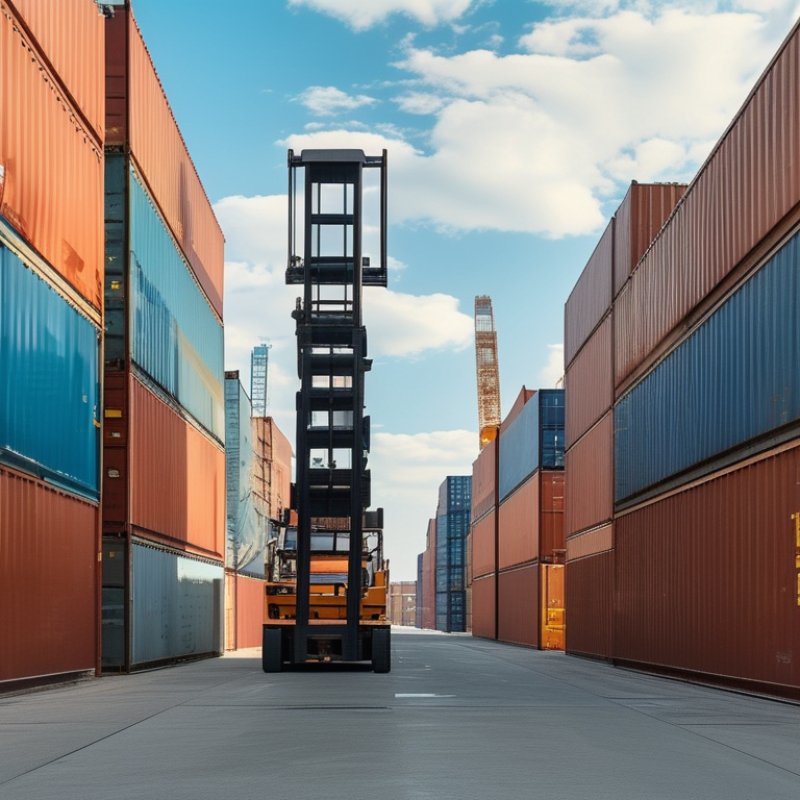
As we look towards 2026, global logistics face significant trends and challenges. The rise of e-commerce has accelerated demand for faster delivery. Supply chains are increasingly stretched. Geopolitical tensions and changing trade regulations add complexity to logistics management. Companies need to adapt to these dynamics to remain competitive.
Tips: Embrace technology. Utilize data analytics to optimize routes. Employ real-time tracking for shipments. This improves transparency and customer satisfaction.
Another pressing challenge is sustainability. Companies are under pressure to reduce their carbon footprint. Adopting eco-friendly packaging and optimizing transportation modes can lead to better practices. Still, many organizations struggle to implement changes effectively.
Tips: Implement a green logistics plan. Conduct audits to identify carbon emission hotspots. Collaborate with eco-conscious partners to enhance sustainability efforts. This will require ongoing reflection and adjustment as companies navigate evolving standards.
Implementing Technology Innovations to Streamline Logistics Processes
In an increasingly interconnected world, technology plays a crucial role in optimizing global logistics. Implementing innovations like artificial intelligence and machine learning can significantly enhance efficiency. These tools help forecast demand and manage inventory effectively. Real-time tracking systems provide visibility throughout the supply chain, allowing companies to respond promptly to disruptions.
However, the integration of these technologies is not without challenges. Many organizations struggle with data management and integration across different platforms. Training staff to use new systems effectively can also be a slow process. Small errors during implementation can lead to inefficiencies, eroding the potential benefits of technology. Continuous testing and feedback loops are vital to refine these processes.
Additionally, it is essential to balance technology with human oversight. Automated systems can streamline operations, but human intuition is still invaluable in problem-solving. Taking a hybrid approach can ensure that technology enhances rather than replaces human contributions. Companies must remain vigilant in monitoring the impact of new technologies. Regular assessments can help identify areas for improvement and ensure that logistics processes remain streamlined and effective.
Developing Sustainable Practices for Eco-Friendly Global Supply Chains
Sustainable practices are essential for global supply chains. In 2021, reports indicated that logistics contributes to 14% of global greenhouse gas emissions. This alarming figure demands immediate action. Companies must rethink their logistics strategies. Implementing energy-efficient transportation modes is a crucial step. Rail transport emits 75% less CO2 compared to road transport.
Recycling packaging materials is another vital practice. The World Economic Forum estimates that reusing materials in logistics could reduce costs by up to 30%. However, many companies still struggle with comprehensive recycling plans. The challenge lies not just in the implementation, but in the mindset shift required among stakeholders.
Investing in green technologies can seem daunting. However, studies show that businesses committed to sustainability can achieve significant cost savings. A 2020 survey revealed that 59% of consumers prefer eco-friendly products. This trend emphasizes the importance for companies to adapt. Yet, transitioning to a sustainable model is often met with resistance. Operational disruptions and initial costs may inhibit progress.
How to Optimize Global Logistics for 2026 Success? - Developing Sustainable Practices for Eco-Friendly Global Supply Chains
| Logistics Aspect |
Current Practices (2023) |
Sustainable Practices (2026) |
Expected Benefits |
| Transportation |
Frequent use of fossil fuel-powered vehicles |
Electrification of transport fleet |
Reduced emissions, lower fuel costs |
| Packaging |
Single-use plastic packaging |
Biodegradable and recyclable materials |
Decreased waste, improved brand image |
| Warehousing |
Energy-intensive operations |
Implementation of solar energy |
Lower energy costs, sustainability compliance |
| Supply Chain Management |
Linear supply chain models |
Circular supply chain integration |
Resource efficiency, enhanced sustainability |
| Inventory Management |
High levels of stock holding |
Just-in-time inventory practices |
Reduced waste, improved cash flow |
Enhancing Collaboration Across Stakeholders in Global Logistics Networks
In today's interconnected world, enhancing collaboration among stakeholders is crucial for successful global logistics by 2026. A 2022 report by the Council of Supply Chain Management Professionals (CSCMP) indicates that 78% of organizations recognize improved communication as key to efficiency. Effective collaboration constructs a seamless logistics network, reducing delays and cost overruns.
To foster collaboration, organizations must prioritize relationship-building with suppliers, carriers, and technology partners. Sharing accurate data fosters trust. According to a 2023 survey from Gartner, companies focusing on data transparency experience 30% fewer operational disruptions. Systems that allow real-time communication can significantly enhance responsiveness to market changes.
Tip: Implement joint planning sessions with stakeholders. This encourages alignment on objectives and expectations.
Additionally, leveraging technology such as integrated platforms can streamline processes. A McKinsey report reveals that companies using advanced analytics improve decision-making speed by 50%. However, dependence on technology can lead to vulnerabilities. It is essential to maintain human oversight in logistics operations.
Tip: Regularly assess the effectiveness of technology solutions. This ensures they meet evolving needs rather than becoming obsolete.
Navigating the complexities of global logistics requires continuous improvement and meaningful collaboration. Embracing these strategies can significantly enhance resilience in logistics networks by 2026.
Measuring Performance and Adapting Strategies for Continuous Improvement
In the pursuit of effective global logistics, measuring performance becomes crucial. According to the Logistics Management survey, 78% of organizations now prioritize key performance indicators (KPIs) to ensure efficiency. These KPIs often include on-time delivery rates, inventory turnover, and transportation costs. By regularly analyzing these metrics, organizations can identify discrepancies in their logistics performance.
Adapting strategies based on performance data is equally important. The 2023 Gartner report indicates that logistics operations that leverage real-time data have seen a 25% improvement in efficiency. This highlights the need for flexibility in response to market changes. Companies should be prepared to adjust routes, consolidate shipments, or renegotiate contracts based on analytical insights.
However, many organizations still struggle with implementation. A survey from McKinsey found that only 29% of firms effectively use advanced analytics for logistics. Reflecting on these challenges can lead to better practices. Addressing gaps in technology and employee training is essential for continuous improvement. The path to success in 2026 demands not just measurement, but meaningful adaptation of strategies based on data-driven insights.
Logistics Performance Metrics Analysis for 2026
This chart illustrates the projected performance metrics for global logistics operations in 2026, focusing on key areas such as On-Time Delivery, Cost Efficiency, and Customer Satisfaction. Continuous monitoring and adapting strategies in these areas are essential for achieving success in a competitive landscape.