Kraft Shipping Boxes Trends for 2026 What Buyers Need to Know
As we look ahead to 2026, the landscape of Kraft Shipping Boxes is evolving rapidly. Buyers must adapt to these trends to meet modern demands. These boxes are not just packaging; they represent sustainability and efficiency. Brands are increasingly choosing Kraft due to its eco-friendly nature. This trend drives competition, pushing for innovative designs and functionality.
The rise of e-commerce further amplifies the need for reliable shipping solutions. Kraft Shipping Boxes provide strength and versatility, essential for protecting products. However, as more businesses embrace these boxes, there's a risk of losing uniqueness in packaging. Buyers should consider how their choices impact their brand image. It’s crucial to find a balance between cost-effectiveness and corporate responsibility.
Sustainability is no longer optional; it's a necessity. Customers are more aware of their choices. They favor brands that prioritize eco-friendly practices. Kraft Shipping Boxes can enhance a brand’s commitment to the environment. As we explore these trends, keep in mind that innovation and responsibility go hand in hand. The challenge lies in adapting to consumer expectations while staying true to your brand’s mission.
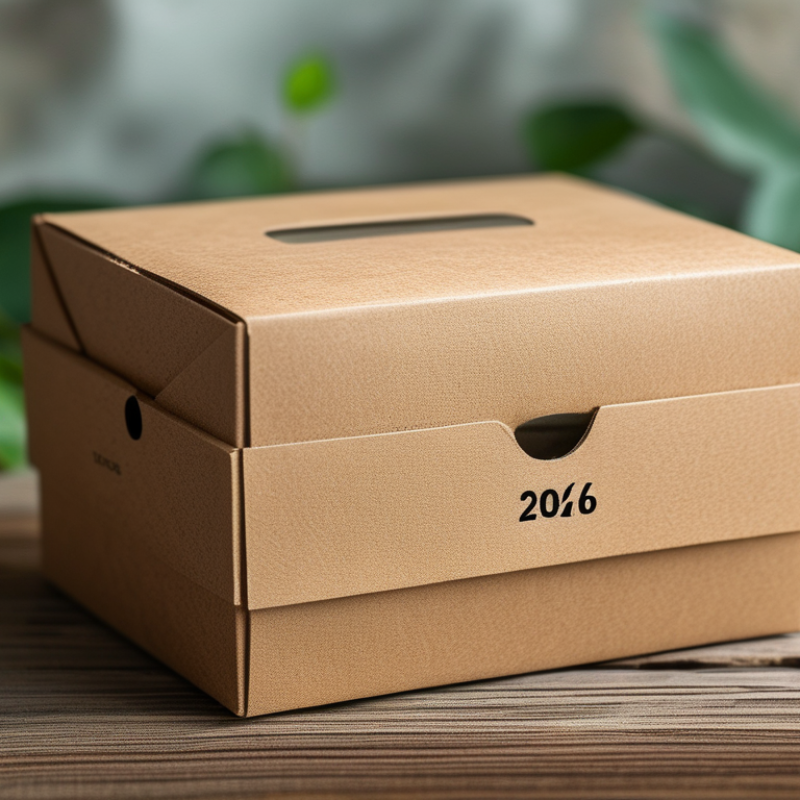
Kraft Shipping Boxes: Overview and Importance in Packaging Industry
Kraft shipping boxes play a crucial role in the packaging industry. Their eco-friendly nature appeals to consumers seeking sustainable packaging options. A recent report from Smithers states that the global market for sustainable packaging is expected to reach $600 billion by 2026. Kraft boxes significantly contribute to this trend, as they are recyclable and biodegradable.
Moreover, Kraft boxes provide excellent protection. Their strength and durability ensure products arrive safely to consumers. According to a survey by Packaging Strategies, 70% of brands prefer Kraft boxes for shipping due to their reliability. Yet, not all Kraft boxes meet quality standards. Some manufacturers cut corners to reduce costs, compromising the end product's integrity.
The rise in e-commerce has amplified the demand for versatile packaging. Kraft shipping boxes can be customized easily to fit various product sizes. However, the rush for innovation often leads to overlooking the importance of material sourcing. Ensuring high-quality materials can be a challenge that impacts sustainability goals. As buyers become more discerning, understanding these factors is essential for making informed choices in packaging solutions.
Current Trends Influencing Kraft Shipping Box Design and Production
Kraft shipping boxes are evolving rapidly. The demand for sustainable packaging is driving change. Buyers need to understand these trends for 2026. More companies are opting for recyclable materials. This shift emphasizes environmental responsibility and cost-effectiveness.
Design is another vital factor influencing Kraft boxes. Minimalist designs resonate well with consumers today. Clean lines and simple graphics make a box more appealing. Many brands are exploring custom shapes and sizes. This approach allows for better product protection and brand storytelling.
However, there are challenges. The balance between cost and quality is delicate. Some buyers may prioritize saving money over sustainable options. Also, the supply chain disruptions are causing delays. Companies must adapt quickly to these market shifts. This is a learning curve for many businesses. They need a strategy that combines cost, design, and sustainability.
Sustainability and Eco-Friendliness in Kraft Shipping Box Choices
Sustainability and eco-friendliness are crucial when selecting kraft shipping boxes. A recent report from the Sustainable Packaging Coalition indicates that 70% of consumers prefer eco-friendly packaging options. With increasing awareness around environmental issues, the demand for kraft boxes is expected to rise by 15% annually through 2026.
Recycling plays a vital role in this trend. Kraft shipping boxes are often made from recycled materials, which reduces waste. According to the Paper and Packaging Board, 80% of consumers believe that recyclable packaging positively influences their purchasing decisions. Brands prioritizing sustainable packaging can enhance their reputation and attract eco-conscious buyers.
Tips: Invest in biodegradable inks or adhesives for your kraft boxes. This small change can further improve your product's eco-friendliness. Consider sourcing from suppliers who adopt responsible forestry practices. This ensures that the kraft materials used are sustainable and meet environmental standards. Reflect on your current packaging processes and identify areas for improvement. Every step counts toward an impactful change.
Kraft Shipping Boxes Trends for 2026
| Aspect | Detail | Trend Level (1-5) |
| Eco-Friendly Materials | Usage of recycled and biodegradable materials | 5 |
| Customizable Designs | Focused on brand identity and consumer engagement | 4 |
| Minimalist Packaging | Streamlining packaging to reduce waste | 4 |
| Innovative Closure Systems | Sustainable alternatives to tape and plastic | 3 |
| Smart Packaging Technology | Integration of tracking and monitoring features | 3 |
Consumer Preferences and Customization Options for Kraft Boxes
Customization options for kraft boxes are evolving rapidly. Consumers value distinctive packaging. According to a recent report, 72% of buyers prefer personalized packaging. This trend showcases the importance of brand identity. Buyers desire unique graphics and textures. Enhanced visual appeal can lead to increased sales.
Sustainability plays a crucial role in consumer preferences as well. Many shoppers are now opting for eco-friendly materials. In fact, 65% of consumers are willing to pay more for sustainable packaging. Kraft boxes align perfectly with this demand. They are biodegradable and recyclable, supporting environmental goals. This has made them a favored choice in multiple industries.
The challenge lies in meeting diverse consumer needs. While customization is essential, balancing cost remains vital. Many smaller brands struggle with high production costs. Finding reliable suppliers who provide both quality and affordability is key. Businesses must stay informed about technological advancements too. Innovations in printing and design will continue to shape the kraft box market. Understanding these factors can lead to more effective packaging strategies.
Future Innovations in Kraft Shipping Boxes for 2026 and Beyond
As we approach 2026, the kraft shipping box market is poised for significant innovations. Data from recent industry reports indicates that 65% of companies are investing in sustainable packaging solutions. This shift responds to growing consumer demand for eco-friendly materials. Kraft boxes, known for their recyclability, are a logical choice for businesses aiming to reduce their environmental footprint.
In addition to sustainability, the industry is seeing advancements in design and functionality. Innovations like customizable sizes and enhancements to durability are on the rise. Reports suggest that advancements in manufacturing technology could reduce production costs by 15%. This would allow more businesses to adopt kraft solutions without straining their budgets.
However, there are challenges to consider. The supply chain disruptions experienced in recent years have raised concerns about raw material availability. Companies must remain agile and adaptable to navigate these complexities. The question of sourcing quality kraft paper while ensuring quick delivery remains critical. This call for flexibility in operations may require a reevaluation of current practices. Innovators in the kraft box space will need to address these issues while capitalizing on emerging trends.