China Top Machinery Sourcing Tips for Global Buyers?
In the fast-paced world of global business, effective Machinery Sourcing is critical for success. According to John Thompson, a renowned expert in the machinery industry, "Navigating the complexities of sourcing requires both strategy and insight." His words reflect the challenges buyers face when seeking reliable machinery suppliers in China.
China offers vast opportunities for those engaged in Machinery Sourcing. However, buyers must approach this landscape with caution. The diversity of manufacturers can be overwhelming, and quality inconsistencies may arise. It’s essential to thoroughly vet suppliers to avoid costly mistakes.
Moreover, understanding cultural nuances is vital for successful negotiations. Many buyers overlook the importance of building relationships in Chinese business culture. Investing time in these connections can lead to better deals and enhanced trustworthiness. Thus, while the potential for profit is significant, buyers must remain vigilant and adaptable in their sourcing strategies.
Understanding the Chinese Machinery Market: Key Trends and Insights
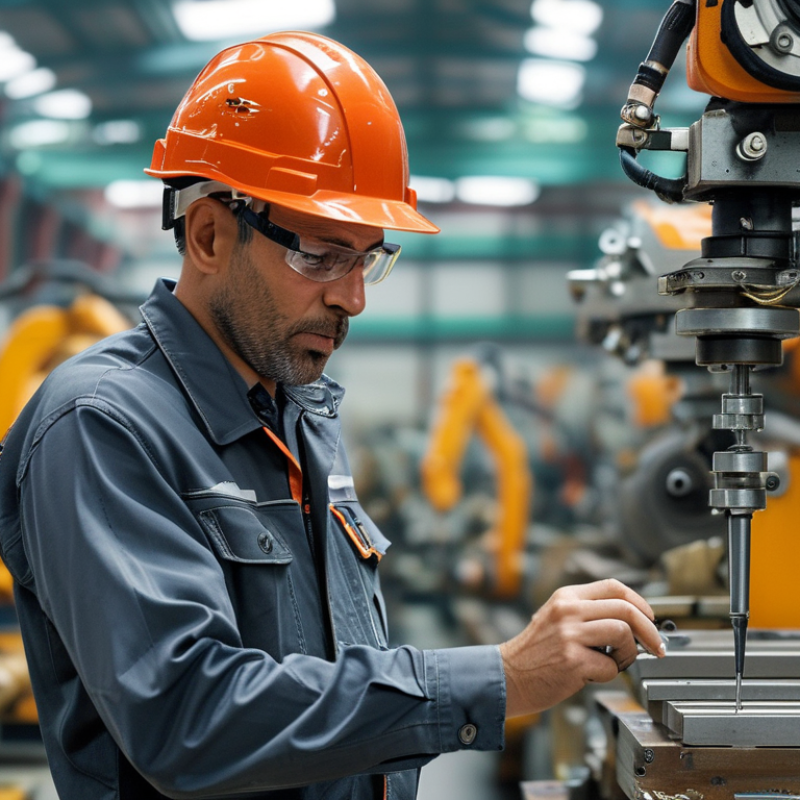
The Chinese machinery market is evolving rapidly. Buyers must stay informed about key trends to navigate this dynamic landscape. One notable trend is the rise of smart manufacturing. Automation and IoT technology are increasingly integrated into machinery production. This shift aims to enhance efficiency and reduce labor costs. Understanding this trend can help global buyers identify innovative products.
Research plays a crucial role in successful sourcing. It’s vital to study suppliers thoroughly. Buyers should consider their production capacity and quality control measures. Establishing relationships with reliable suppliers can lead to better deals. Communication is essential. Language barriers can pose challenges, so utilizing translation services can smooth negotiations.
Buyers should be aware of local regulations. Compliance is necessary to avoid delays and fines. Assessing the total cost is another important factor. Include shipping, duties, and taxes in your calculations. Ensuring clarity on payment terms can prevent misunderstandings during transactions. Observing these aspects fosters a fruitful purchasing experience in the Chinese machinery market.
China Top Machinery Sourcing Tips for Global Buyers
| Category | Key Trends | Insights | Best Practices for Sourcing |
| Construction Machinery | Growing demand for eco-friendly machines | Investors are looking for sustainable options | Evaluate energy efficiency ratings |
| Agricultural Machinery | Increased automation in farming equipment | Focus on yield improvement and labor reduction | Research the latest automation technologies |
| Manufacturing Equipment | Shift towards smart manufacturing solutions | Integration of IoT and AI in machinery | Seek suppliers who offer tech support and upgrades |
| Textile Machinery | Focus on quality and customization | Increasing demand for unique fabrics | Work closely with manufacturers on design specs |
| Packaging Machinery | Rising interest in biodegradable packaging | Compliance with global sustainability standards | Explore innovations on sustainable packaging options |
Identifying Reliable Suppliers: Tips for Global Buyers in China
Identifying reliable suppliers in China is crucial for global buyers. The manufacturing sector in China represents 28.7% of its GDP, showcasing the country's industrial power. However, not all suppliers offer the same level of quality and reliability. Conducting thorough research is essential. Analyzing online reviews and performance metrics can provide insights into suppliers’ credibility.
Networking plays a vital role. Engaging with industry contacts often leads to valuable referrals. Participating in trade shows can also facilitate direct communication with potential suppliers. In 2022, the China International Import Expo attracted over 3,000 companies from various sectors. This demonstrates the importance of face-to-face interaction in establishing trust.
Understanding cultural nuances is another factor. Communicating expectations clearly can prevent misunderstandings. A straightforward inquiry can save time and resources. Establishing a solid verification process to assess supplier capabilities further enhances the reliability of partnerships. Buyers should not hesitate to request documentation or visit facilities when possible. The journey might be challenging but worthwhile for building long-term relationships.
Negotiating Prices and Terms: Best Practices for Machinery Sourcing
Negotiating prices and terms in machinery sourcing involves several key strategies. Understanding local market conditions is crucial. Recent reports indicate that bulk purchasing can lower costs by up to 15%. It's essential to gather data on prevailing prices in China. Transparency during negotiations can foster trust and lead to better terms.
Engaging directly with manufacturers enhances your bargaining position. Establishing relationships can yield advantages, like preferential pricing or payment plans. However, be aware that some suppliers may hesitate to disclose their bottom line. It's vital to prepare alternative offers. This approach allows you to negotiate confidently and avoid overpaying.
Documenting every agreement is equally important. Discrepancies may arise, leading to disputes if terms are vague. Consistency in communication helps maintain clarity. The importance of patience cannot be overstated. Sometimes, pushing too hard can backfire. Reflect on each negotiation to identify areas for improvement. Engaging in post-negotiation analysis can refine your strategy for future deals.
Machinery Sourcing Price Negotiation Insights
Quality Control Measures: Ensuring the Best Products from China
Quality control is crucial when sourcing machinery from China. According to a 2022 industry report, over 60% of global buyers identified quality assurance as their top concern. The vast landscape of Chinese manufacturers can offer great deals, but inconsistencies in product quality can lead to significant losses. One common issue is the lack of standardized quality measures across factories. This often results in variations in the manufacturing process, impacting the end product.
To ensure you receive the best products, implement a rigorous quality control strategy. Start with pre-production inspections to verify that raw materials meet your standards. During production, conduct random sampling to check compliance with specifications. It's vital to maintain a checklist for quality benchmarks. A reliable report from a third-party inspection service can provide an unbiased evaluation.
Traveling to the manufacturing site can be beneficial. On-site visits allow you to observe production practices firsthand. However, many buyers overlook this step. Remote control can lead to miscommunications. Establishing direct relationships with your suppliers can also enhance accountability. Trust is built through transparency, and this can mitigate potential issues before they arise. Quality assurance is not just an option; it’s a necessity in global sourcing.
Navigating Import Regulations: Essential Steps for Global Buyers
Importing machinery from China involves navigating complex regulations. Global buyers should start by understanding the legal requirements. Research the import laws in your country to ensure compliance. Documentation is crucial. Obtain necessary permits and certifications before placing orders. Missing paperwork can lead to delays or fines.
Another critical step is selecting reliable suppliers. Quality machinery is essential for your operations. Verify the credentials of manufacturers. Request references and check reviews. Building strong relationships can simplify future transactions. Communication with suppliers should be clear and consistent.
Be prepared for potential challenges. Customs inspections may occur, leading to unexpected delays. It's wise to stay updated on changing regulations. Regularly monitor changes in trade laws that may affect your imports. Reflecting on these aspects can enhance your importing experience.