Best Sea Freight Solutions for Global Sourcing in China?
In the realm of global sourcing, sea freight stands as a vital logistics solution. According to Derek Hodge, a renowned expert in the sea freight industry, “Efficient sea freight services can significantly impact businesses aiming to expand internationally.” This highlights the importance of effective transportation strategies.
Many companies depend on sea freight for shipping goods from China. The vast network of shipping routes brings countless opportunities. However, the complexities involved can be daunting. Businesses often face challenges in optimizing their logistics. Ensuring timely deliveries while managing costs requires careful planning.
Additionally, navigating customs regulations and dealing with potential delays can complicate the process. It's crucial to consider these factors when choosing a sea freight partner. A reliable provider should have extensive experience and a solid track record. Finding the right balance between cost and service quality remains a constant challenge, one that calls for critical reflection and strategic foresight.
Understanding Sea Freight in Global Sourcing Context
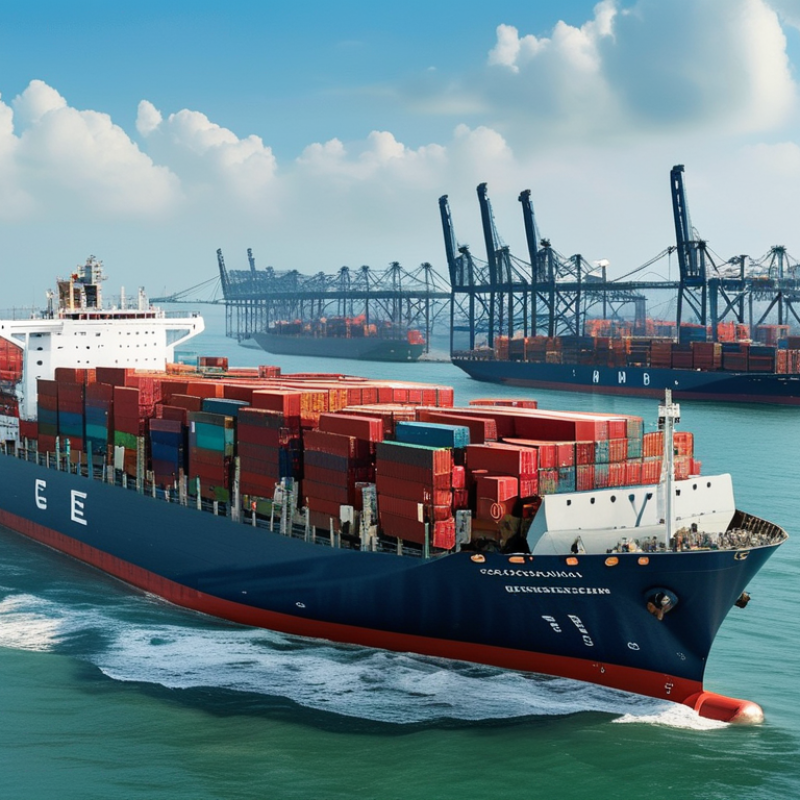
Sea freight plays a pivotal role in global sourcing, particularly for businesses looking to import goods from China. As a cost-effective method, sea freight can significantly lower shipping expenses compared to air freight. According to the International Maritime Organization, around 90% of world trade is carried by sea. This emphasizes the importance of sea freight in the global supply chain.
Understanding the nuances of sea freight is essential for effective sourcing. Transit times can range from 20 to 45 days depending on the route and port efficiency. These delays can impact inventory management and production schedules. Companies need to consider the trade-off between cost and speed. Some data suggest that approximately 30% of importers experience supply chain disruptions due to unexpected delays in sea freight, highlighting the need for robust planning.
Moreover, compliance with international regulations and customs processes can complicate sea freight logistics. Issues arise when documentation is incomplete or tariffs change unexpectedly. Such gaps can lead to increased costs, affecting the overall sourcing strategy. Businesses must invest in reliable logistics partnerships to navigate these challenges more effectively. Reliable information sharing and transparency are necessary to minimize risks in the supply chain process.
Key Considerations for Choosing Sea Freight Solutions in China
When selecting sea freight solutions in China, multiple factors play a critical role. Understanding the nuances of shipping routes can save time and reduce costs. Not all ports are equally efficient. While some may offer lower rates, they could involve longer transit times. It's beneficial to weigh these options based on your specific needs and product type.
Another consideration is the reliability of the freight forwarder. Researching the company’s track record can provide insights into their service levels. Look for feedback from previous customers. Communication is key. You want a partner who keeps you informed about shipping status and any potential delays. A reliable partner minimizes the risk of unexpected surprises.
Finally, consider the additional services offered. Customs clearance support and cargo insurance can be crucial. They can help simplify the complex aspects of international shipping. However, not every company will provide comprehensive support. This means you may encounter gaps in service that could impact your operations. Be sure to evaluate these elements carefully before making a decision.
Major Sea Freight Providers and Their Services for Global Sourcing
When sourcing products globally, sea freight is often the most cost-effective solution. Major sea freight providers offer varied services tailored for different needs. These include Full Container Load (FCL) and Less Than Container Load (LCL) shipping. According to the World Shipping Council, the global container shipping market is expected to reach 1.1 billion TEUs by 2025. Such growth highlights the importance of understanding available options.
Different providers have distinct strengths. Some may focus on speed, while others prioritize cost savings. For example, carriers often have optimal trade routes that can impact delivery times. Understanding these nuances can lead to more informed decisions. Not every shipment requires the fastest service; sometimes, lower costs are more beneficial for budget-constrained projects.
Driving efficiency requires continuous learning. Regularly assess shipping routes and evaluate service quality. Consider seasonal variations in freight rates, as they can fluctuate significantly. Analyze carrier performance metrics to ensure reliability. This approach leads to better negotiation power and cost management over time. Sourcing operations can benefit from consolidating shipments to reduce costs and improve efficiency.
Cost Factors and Pricing Strategies for Sea Freight Shipments
Understanding cost factors in sea freight is crucial for businesses sourcing from China. One of the primary components is the shipping rate, which is influenced by various elements, including fuel prices, distance, and cargo volume. Reports indicate that in 2022, global shipping costs rose by 300% due to unforeseen situations. Industries must remain vigilant and adaptable to fluctuating rates.
Another significant aspect is terminal handling charges. These fees vary by port and can significantly impact the overall expenses. For instance, charges at Shanghai Port have averaged around $200 per container, based on recent data. Companies frequently overlook customs duties and taxes, which can add another layer of complexity to pricing strategies. It is essential to factor these costs into financial planning.
The selection of freight forwarders plays a pivotal role. Proper negotiation with carriers can lead to better deals. However, it's often a challenge. Many businesses struggle to balance service quality and costs, creating tension. A thorough analysis of service providers and their reliability can yield advantages. Though the sea freight landscape is evolving, staying informed is key to managing costs effectively.
Best Practices for Effective Sea Freight Management in China
Managing sea freight in China requires meticulous attention to various factors. Understanding the local logistics infrastructure is essential. Ports can vary significantly in efficiency. Some may prioritize cargo containers, while others may struggle with backlogs. Conducting thorough research on port performance can prevent delays that hinder global sourcing.
Collaboration with experienced freight forwarders greatly improves effectiveness. They can navigate the complexities of customs clearance and documentation. A robust communication strategy between suppliers and shippers is crucial. Regular updates help in addressing potential issues before they escalate. Miscommunication often leads to costly delays and unforeseen expenses.
Evaluating shipping routes is another key practice. Some routes may be longer but offer more reliable schedules. Being flexible can lead to cost savings. However, not every route is suitable. Analyzing past shipments can provide insights. Consider seasonality and local holidays, as they can impact shipping times. This level of detail makes a significant difference for efficient sea freight management.