2026 Best Ocean Shipping Trends for Global Buyers?
As we approach 2026, the landscape of ocean shipping is evolving rapidly. Global buyers must be aware of emerging trends that can impact their operations. Ocean shipping remains essential for international trade, but changes are coming. These changes are driven by technology, sustainability, and shifting consumer demands.
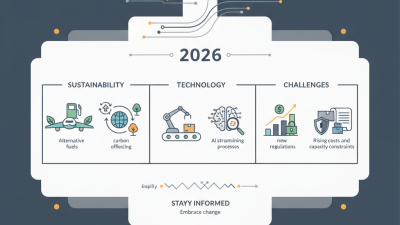
Logistics strategies in ocean shipping are transforming. The rise of digitalization offers new tools for efficiency. Automation is streamlining processes, yet it raises questions about job displacement. Buyers must navigate these complexities while ensuring their supply chains remain robust. Environmental concerns are also reshaping practices. Increasing regulations aim to reduce carbon emissions and promote greener shipping methods.
Amidst these advancements, buyers should reflect on their sourcing strategies. Will traditional routes remain viable? How will they adapt to fluctuating shipping costs? The answers to these questions will shape their success in a globalized market. Understanding ocean shipping trends is not just about keeping pace; it’s about anticipating change. Building adaptability into business models will be crucial in navigating the future of ocean shipping.
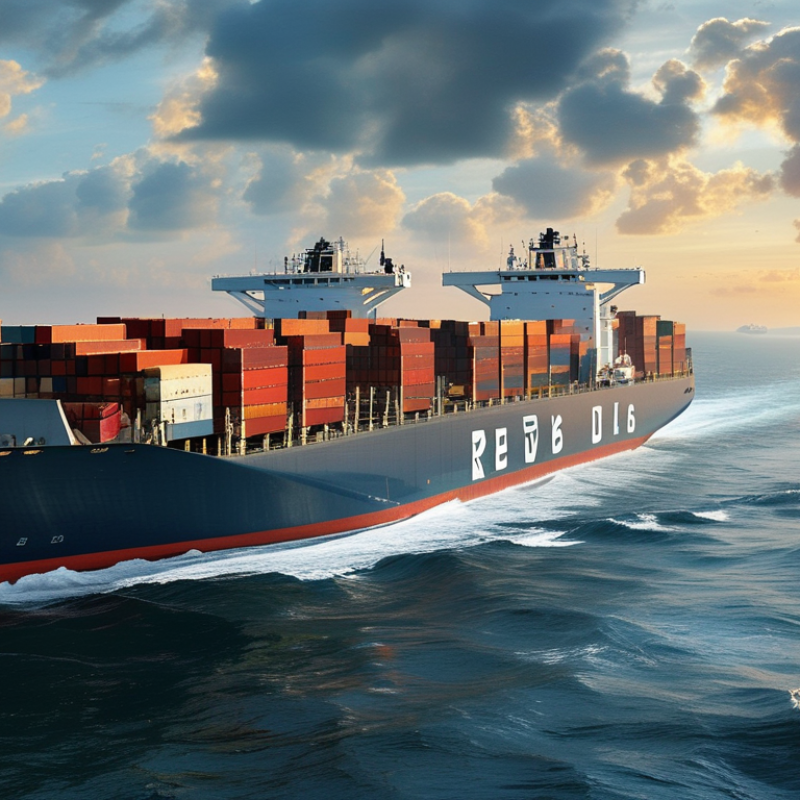
Future Innovations in Ocean Shipping Technology for 2026
The ocean shipping industry is on the brink of significant transformation by 2026. Various technology innovations promise to enhance efficiency and reduce environmental impact. Automation and digitization are leading the charge. According to a recent report by the International Maritime Organization, adopting advanced analytics could reduce shipping operational costs by up to 15%. These powerful tools will aid in better decision-making, route optimization, and inventory management.
Additionally, the use of alternative fuels is gaining traction. The industry is exploring hydrogen and ammonia as viable options. A study from the World Maritime University indicates a potential reduction of 70% in greenhouse gas emissions by transitioning to these fuels. However, challenges remain. Infrastructure for widespread adoption is limited, and financial investment is required for research and development.
Moreover, the rise of blockchain technology presents both opportunities and hurdles. Enhanced traceability and security could streamline shipping processes significantly. Yet, industry stakeholders must navigate concerns regarding data privacy and interoperability among various systems. The path to 2026 will be complex; balancing innovation with practical implementation is crucial for success.
Sustainability Practices Driving Ocean Shipping Trends in 2026
The landscape of ocean shipping is undergoing significant changes driven by sustainability practices. In 2026, global buyers will increasingly prioritize eco-friendly solutions. Many shipping companies are investing in cleaner technologies. This shift includes adopting alternative fuels, such as biofuels and hydrogen, to reduce carbon emissions. These steps are vital for meeting international regulations aimed at curbing environmental impact.
However, the transition is not without challenges. While green technologies are promising, they often come with high initial costs. Smaller shipping companies may struggle to keep up with these investments. Additionally, the availability of sustainable fuels can be inconsistent. There may be delays or limited options. Buyers should understand these realities when considering their shipping partners.
Another important aspect is reduced waste. More companies are focusing on optimized routes. By minimizing fuel consumption, they not only save costs but also lessen their carbon footprint. Yet, it is essential to examine if these optimizations are truly effective across different shipping scenarios. Continuous evaluation will help in refining practices. Buyers must engage in discussions about transparency in sustainability initiatives. Engaging with suppliers on this journey is critical for collective improvement.
Impact of Digitalization on Global Ocean Shipping Efficiency
Digitalization is transforming global ocean shipping efficiency. According to a recent industry report, implementing digital tools can enhance shipping speed by up to 30%. This acceleration comes from automating processes, improving communication, and optimizing routes.
Port operations are becoming smarter. Real-time data allows for better decision-making, reducing costs by 15%. Data-driven insights help companies predict delays and manage inventory effectively. However, challenges remain. Many firms struggle with integrating these technologies. Training staff and adapting to new systems can be daunting.
The shift towards digital solutions is not purely beneficial. Cybersecurity threats pose real risks. As shipping becomes more interconnected, vulnerability increases. Companies must balance embracing technology with robust security measures. Innovation and caution must go hand in hand for sustainable progress in ocean shipping.
Evolving Shipping Regulations and Compliance for 2026
As we approach 2026, shipping regulations are undergoing significant changes. Countries are tightening rules to battle climate change and enhance safety. The International Maritime Organization is leading these global efforts. Compliance will require adaptation from shipping companies, leaving many unprepared. The focus is shifting towards reducing emissions and improving fuel efficiency.
Many shipping businesses might find it challenging to stay updated. Regulations vary by region and often change swiftly. For instance, some nations implement stricter sulfur content rules. Additional training for staff and investment in new technology may be necessary. However, these changes can prove beneficial in the long run. Efficient operations may lead to cost savings and a competitive edge.
Buyers must also consider these regulations in their procurement strategies. Transparency in shipping processes will become vital. As consumers demand more sustainable practices, companies must adapt. A strong commitment to compliance could enhance brand reputation. This evolving landscape presents both challenges and opportunities to rethink shipping logistics. The path ahead may be complex, but it is essential for future growth.
Emerging Global Markets and Their Influence on Shipping Trends
Emerging global markets are reshaping ocean shipping trends. The growth in Southeast Asia and Africa presents new opportunities. According to the World Trade Organization, these regions may see a 7% increase in shipping volumes by 2026. The rising middle class drives consumption, heavily influencing global supply chains. As new trade agreements form, countries engage in unconventional trade routes. This shift may lead to significant alterations in shipping strategies.
Buyers should consider integrating digital technologies. Real-time tracking and predictive analytics can improve operational efficiency. Reports from the International Maritime Organization suggest that transparency in shipping will grow in importance. Customers demand better visibility. Adopting these technologies offers a competitive advantage. However, reliance on digital solutions raises questions about data security.
Navigating these changes isn’t without challenges. Supply chain disruptions have revealed vulnerabilities. As global shipping patterns shift, the risk of congestion increases at key ports. Buyers must stay adaptable. It’s crucial to reassess logistics choices regularly. Relying on outdated methods may slow progress. Embracing emerging markets can foster innovation in shipping practices. Keeping an eye on evolving trends will significantly impact purchasing decisions.
2026 Best Ocean Shipping Trends for Global Buyers
| Trend |
Description |
Impact on Shipping |
Emerging Markets |
| Sustainability Focus |
Increasing emphasis on green shipping practices and technology. |
Higher operational costs but enhanced reputation and demand. |
Asia, South America |
| Digital Transformation |
Adoption of AI and IoT for improved logistics and tracking. |
Increased efficiency and reduced delays. |
Africa, Eastern Europe |
| Resilience in Supply Chains |
Focus on building more resilient and flexible supply chains. |
Better handling of disruptions and improved service levels. |
Latin America, Southeast Asia |
| E-commerce Growth |
Massive increase in container shipping due to online retail demands. |
More shipping routes and capacity are required. |
Africa, Middle East |
| Regulatory Changes |
New environmental and trade regulations affecting shipping. |
Compliance costs and shifts in trade patterns. |
Global Markets |